
NOTE - SCROLL DOWN TO VIEW MORE - 2024


CAtegory
UX / UI
Product Duration
3 Weeks
Problem

Users in the LGBTQ+ community often face frustration and emotional fatigue when using mainstream dating apps, due to environments that feel unsafe, non-inclusive, and overly superficial.
Many individuals struggle to trust these platforms unsure if they’re being seen authentically, often encountering harassment, stereotypes, or misrepresentation. The lack of tailored experiences and genuine connection causes users to disengage, with many abandoning the apps entirely or using them passively out of necessity rather than choice.
This disconnect reveals a significant gap in the digital dating space a need for a platform designed specifically for the unique emotional, social, and identity-based needs of the LGBTQ+ community.

Solution
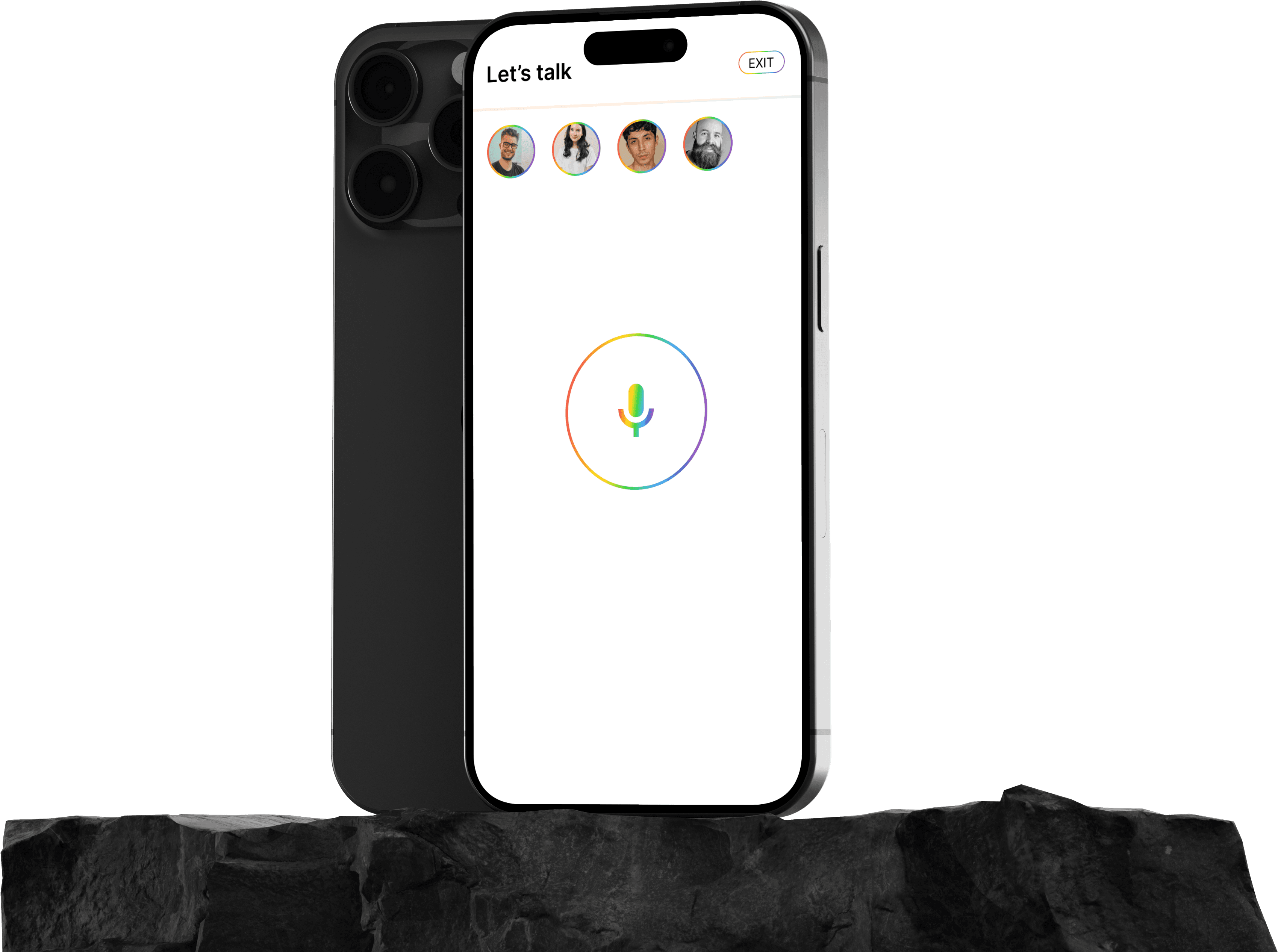
A dedicated mobile experience like Cupcake can transform how LGBTQ+ individuals engage with online dating by addressing the pain points of mainstream platforms. Through a thoughtful, inclusive design, Cupcake creates a space where users feel seen, respected, and safe encouraging genuine connection instead of superficial interaction.
Key features such as interest-based Rooms, a ‘Liked You’ section for transparency, and an inclusive onboarding flow help simplify the dating journey and reduce emotional friction. By improving app navigation, ensuring identity-sensitive communication, and offering emotionally intelligent UX, Cupcake fosters trust and keeps users meaningfully engaged.
This shift toward a more empathetic, community-first design aligns with the evolving expectations of LGBTQ+ users, providing them with a platform that feels not just functional but truly affirming.
What i,ve learned
This project deepened my understanding of inclusive and user-centered design, especially for the LGBTQ+ community. I learned how to approach sensitive topics with empathy and how to prioritize safety, comfort, and representation in both UI and UX decisions. Conducting user research helped me uncover real needs and pain points, while iterative prototyping taught me the value of continuous feedback. Overall, this project strengthened my ability to design thoughtful, inclusive digital experiences that go beyond just functionality

